Facet Joint Injection Potential Risks and Complications

Allergic reaction.

Usually, the allergy is to the X-ray contrast or steroid; rarely to local anesthetic. Life threatening or severe allergies are rare.

Bleeding.

A rare complication, bleeding is more common for patients with underlying bleeding disorders or in patients on blood thinners.

Infection.

Minor infections occur in less than 1% to 2% of all injections. Severe infections are rare, occurring in 0.1% to 0.01% of injections.

Read more about Spinal Infections

Discomfort at the point of the injection or worsening of pain symptoms.

These symptoms are usually mild and short-lived. Long lasting increases in pain are rare.

Nerve or spinal cord damage or paralysis.

While very rare, damage to the spinal cord or spinal nerves can occur from direct trauma from the needle, or secondarily from infection, bleeding resulting in compression, or injection into an artery causing blockage.

Causes of Degenerative Southlake, Texas joint disease

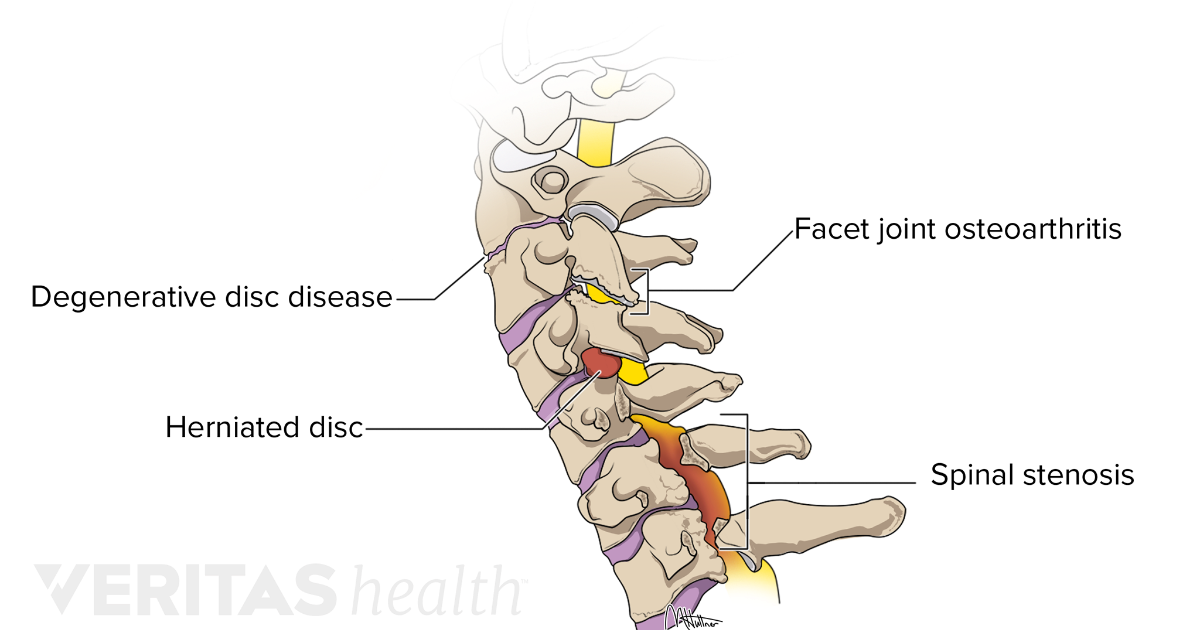
Degenerative Southlake, Texas joint disease is a common cause of back pain. The spinal facet joints, like other synovial joints of the body, are susceptible to wear and tear, degeneration, inflammation and arthritic changes.

Inflammation and Degenerative Southlake, Texas changes to the facet joints may result in pain, loss of motion, and if severe encroachment or pinching of the nerve exiting the spinal column. Common causes of facet joint irritation include the following:

  • Degeneration, arthritic changes, or general wear-and-tear of the joint over time.
  • Disc degeneration may cause a loss of height between the vertebra placing a greater compression force on the posterior facet joints, increasing and accelerating wear-and-tear on these joints.
  • Backward motions can produce compression on the facet joints, which can lead to Degenerative Southlake, Texas, and eventual arthritic changes.
  • A sudden fall or trauma, like a motor vehicle accident, can result in a facet joint irritation, increasing and accelerating wear-and-tear on joints.
  • Ligament damage causing instability at the joint level and a subsequent increase in wear and stress on the spinal joints.
  • Genetic factors can contribute to the likelihood of Degenerative Southlake, Texas joint disease.
  • Repetitive stress injuries like lifting or carrying heavy loads can cause facet joint irritation and Degenerative Southlake, Texas joint disease.
  • Chronic long term scoliosis can result in increased wear on the spinal facet joints.

How to Fix a Leak on a Clay Tile Roof

A clay roof tile is often susceptible to leaks caused as a result of various problems in the tile or in the method of installation. The manner in which a leak can be repaired will differ depending on the cause of the problem.

Step 1 – Identify the Cause

Clay roof tiles may leak due to several faults. While some problems go beyond the roof and are related to the other aspects of the roofing or installation methods, some of the common problems regarding clay tiles are:

  1. Defective or worn out waterproof membrane
  2. Collection of debris in the roof valley
  3. Cracked tiles
  4. Broken tiles

To fix the leak, you will need to fix the specific problem that applies to you. Keep in mind that clay roof tiles break easily under pressure, so be very careful when walking on your roof to determine the cause of the leak.

Step 2 – Fix the Membrane

If the problem is in the waterproof membrane, you will need to remove all your existing tiles and replace the old membrane with a new one. Then, re-tile your roof. You may need the help of a professional for removal and re-tiling.

Step 3 – Remove the Debris

The roof valleys, especially the closed ones, collect a lot of debris. More often than not, this can cause leaks in clay roof tiles. In order to remove the debris such that there is no more leakage, you will need to remove the tiles from the valley, clean out the area, and then reinstall the tile.

Step 4 – Fix a Crack

If you find that there are fine cracks in your tiles, you can repair the crack by applying RT-600 on the tile using a caulk gun. Allow the sealer to spread over the entire tile, and let it dry.

Step 5 – Fix Broken Tiles

Tiles that are broken or have large cracks need to be replaced in order to fix the leak. For this, you will need to remove all damaged tiles using the pry bar. Use a hammer to assist in the removal, but be careful not to damage good tiles

Ten Common Causes of Roof Leaks

A roof leak is a major inconvenience that can cause a significant amount of damage to your home. Roof leaks can cause structural damage to your house, including damage to your attic, ceiling and walls.

Roof leaks can even create health and safety problems for your family. Water intrusion can cause mold and mildew to spread throughout your home. Additionally, if water finds its way to electrical wiring, a leak could become a dangerous fire hazard.

Broken or missing shingles.

For these reasons and more, it is extremely important to repair roof leaks as quickly as possible. This begins by determining what the cause of the leaky roof is. Here are ten common causes of roof leaks.

High winds and heavy rains can damage or remove your shingles. You can visually check for missing shingles by seeing if there are any missing or different hued patches.

Flashing damage.

Flashing are thin strips of metal that seal roof transitions under shingles to create a water-resistant barrier. They can slip out of place or the caulking may dry and crack over time.

Age of roof.

Over time, roofing material can weaken. Harsh weather and exposure to sunlight can also lead to the deterioration of your roof, making it easier for water to sneak in. The sooner you repair roof leaks on an aging roof, the better.

Clogged gutters.

Gutters can become clogged with leaves, pine needles, branches and other debris. This slows down or stops the flow of rain water, allowing it to pool and making leaks more possible.

Skylights.

This type of leak is easy to spot and is usually caused by improper installation or measuring of the skylight.

Chimney.

Water can trickle in through the chimney and find even the smallest crack or hole to seep into. Water may also pool at the base of the chimney in certain cases.

Roof vents.

Plastic roof vents may crack over time, and the gaskets around pipe vents can crack or have gaps in them.

Soffit or fascia damage.

Soffits and fascia are at risk of water damage over time. Water can soften the fascia and cause holes. Small animals like birds and squirrels can find these holes and make the problem worse.

Excess moisture.

Improper installation of gutters can lead to draining and pooling issues, causing leaks.

Holes.

Holes in the roof can be caused by falling tree branches or items installed on the roof, such as a satellite dish.

Importance of a Quality Roof

Before getting into the actual roof prices, it’s essential to establish the importance of a properly installed high-quality roof. A roof does more than keep the rain off your head. It protects your biggest investment – your home.

What you should expect from a high quality roof:

Durability 

long lifespan; stands up to high winds, heavy rain, snow and hail; less maintenance; few replacements

Protection 

Doesn’t leak; protects the inside and outside of the structure; provides proper drainage; keeps family safe during extreme weather

Efficiency

Proper ventilation and insulation; saves energy; lowers heating and cooling bills; helps HVAC equipment last longer; helps prevent ice dams, possible energy efficiency tax credits

Increased Home Value 

If you’re planning to resell your home, it will be worth more with a high-quality roof.

What you can expect from a low quality roof:

Unreliable 

vulnerable to premature leaks; can’t stand up to pressure from snow; peels off in high winds

Quite Temporary 

short lifespan; deteriorates at a faster rate; high maintenance and unnecessary repair costs

High Energy Costs 

Improper ventilation and insulation decrease energy efficiency; high energy bills; heating and cooling unit must work harder

Potentially Dangerous 

Low quality materials combined with improper ventilation can be a fire hazard and also cause mold issues

Roof Replacement Cost in 2019: New Roof Installation Prices

We all want to get the best possible deal when it comes to spending our hard earned money. However, there are some items that fall in the “never bargain shop” category.

What to Expect in Terms of Costs?

A new asphalt shingles roof for a typical 2,000 sq. ft. single-story ranch house can range in price from $8,500 to $16,500 fully installed.

Across the US, a typical architectural asphalt shingle roof will cost between $3.50 and $5.50 per sq. ft. to install. This price range normally includes the cost of materials, removal of the old roof (up to 1 layer), dumpster and disposal fees, permitting fees, professional installation, and workmanship warranty.

Varying factors that can affect your cost are: the brand and type of shingles; the type of underlayment; the slope of the roof; complexity of the job; the company installing the roof and the region.

Average Total Costs of Common Roof Systems for Homes:

3-Tab Asphalt Shingles: $7,000 to $12,000
30-year Shingles: $9,000 to $15,000
50-year Shingles: $11,000 to $20,000
EPDM Rubber: $8,000 to $14,000
TPO or PVC Membrane: $10,000 to $15,000
Wood Shingles: $14,000 to $25,000
Steel Shingles: $14,000 to $25,000
Aluminum Shingles: $15,000 to $28,000
Standing Seam: $23,000 to $30,000
Natural Slate: $25,000 to $50,000
Concrete Tiles: $20,000 to $40,000
Clay Tiles: $25,000 to $50,000

Having a roof over your head is a basic, essential need. Yet, when the time comes to have a new roof installed, a typical homeowner will either pay too much by going through the local home improvement store like Lowe’s or Home Depot, which by the way does not necessarily guarantee quality, or inadvertently, opt for a low quality roof by hiring a contractor with the lowest bid.

Beyond the Basics

Many homeowners make these often-poor choices, because they don’t really understand the importance of a good roof in the first place, as they lack general roofing knowledge, as well as fear getting ripped off, often justifiably so.

This guide will give you the knowledge necessary to hire a reputable contractor and get the best roof for your money.
How Contractors Determine the Price of a Roof Replacement

After inspecting the roof and speaking with homeowner, a contractor will draw up an estimate for the project. Estimating takes several important factors into consideration including materials, complexity of the job and the amount of time needed to complete the job.

Typical Breakdown:

Roof Size 

Roofs with more slant have a larger surface area than roofs with less slant.

Roof Slope

Steeper sloped roofs are more dangerous and more difficult to work on than flat roofs.

Roof Complexity

A roof with more level changes hips and valleys, and add-ons, such as dormers, will be more expensive than a simple roof.

Existing Layers

It’s sometimes possible to install over existing shingles, but this lowers the lifespan and can cancel the warranty. It’s better to do a complete replacement. The more layers that must be removed will increase the price.

Debris and Waste Removal

Asphalt shingles, the most common material used, are considered hazardous waste and must be disposed of properly.

Materials

The type of new material that will be installed, such as asphalt shingles, steel shingles, slate shingles, etc.

Building Materials

This covers all other materials needed to replace a roof including boards and plywood for the roof deck, nails, drop cloths, tarps, staples, calk, etc.

Roof Underlayment and Accessories

Underlayment and accessories are part of a system that makes the roof complete and watertight.

Ventilation

Ventilation is very important for expanding the lifespan of a roof, increasing its energy efficiency and meeting building code requirements in some areas.

Labor Costs

Installation/labor costs will vary depending on the size and complexity of the job, the workers’ experience and how long the project will take.

Overhead Costs

This covers the basic costs of doing business (insurance, advertising, taxes, permits, office space, equipment, trucks, office supplies, office staff, etc.).

What are the risks of ERCP?

Endoscopic retrograde cholangiopancreatography (ERCP) is a procedure that combines upper gastrointestinal (GI) endoscopy and x-rays to treat problems of the bile and pancreatic ducts

The risks of ERCP include complications such as the following:

  • pancreatitis
  • infection of the bile ducts or gallbladder
  • excessive bleeding, called hemorrhage
  • an abnormal reaction to the sedative, including respiratory or cardiac problems
  • perforation in the bile or pancreatic ducts, or in the duodenum near the opening where the bile and pancreatic ducts empty into it
  • tissue damage from x-ray exposure
  • death, although this complication is rare

Research has found that these complications occur in about 5 to 10 percent of ERCP procedures.2 People with complications often need treatment at a hospital.

How do I prepare for ERCP ROWLLET?

To prepare for ERCP ROWLLET, talk with your doctor, arrange for a ride home, and follow your doctor’s instructions.

Talk with your doctor

You should talk with your doctor about any allergies and medical conditions you have and all prescribed and over-the-counter medicines, vitamins, and supplements you take, including

  • arthritis medicines 
  • aspirin  or medicines that contain aspirin
  • blood thinners 
  • blood pressure medicines 
  • diabetes medicines
  • nonsteroidal anti-inflammatory drugs (NSAIDs) such as ibuprofen  and naproxen 

Tell your doctor if you are, or may be, pregnant. If you are pregnant and need ERCP ROWLLET to treat a problem, the doctor performing the procedure may make changes to protect the fetus from x-rays. Research has found that ERCP ROWLLET is generally safe during pregnancy.1

Arrange for a ride home

For safety reasons, you can’t drive for 24 hours after ERCP ROWLLET, as the sedatives or anesthesia used during the procedure needs time to wear off. You will need to make plans for getting a ride home after ERCP ROWLLET.

Don’t eat, drink, smoke, or chew gum

To see your upper GI tract clearly, you doctor will most likely ask you not to eat, drink, smoke, or chew gum during the 8 hours before ERCP ROWLLET.

Causes of Colon Cancer

Normally, body cells follow an orderly process of growth, division, and death. Cancer Rowllet happens when cells grow and divide uncontrollably, without dying.

Cancerous cells may spread from malignant tumors to other parts of the body through the blood and lymph systems.

The exact causes are unknown, but colon Cancer Rowllet has several potential risk factors.

Polyps

Colon Cancer Rowllet usually derives from precancerous polyps that exist in the large intestine.

The most common types of polyps are:

  • Adenomas: These can resemble the normal lining of the colon but look different under a microscope. They can become cancerous.
  • Hyperplastic polyps: Colon Cancer Rowllet rarely develops from hyperplastic polyps, as they are typically benign.

Genes

Uncontrolled cell growth can happen if there is genetic damage, or if changes to the DNA affect cell division. A genetic predisposition can be inherited from family members, but most colon cancers occur in people without a family history.

Traits, habits, and diet

Age is an important risk factor for colon cancer. Around 91 percent of those who receive a diagnosis are over 50 years old.

Colon Cancer Rowllet is more likely in people with sedentary lifestyles, those with obesity, and those who smoke tobacco.

As the colon is part of the digestive system, diet is an important factor. Diets that are low in fiber and high in fat, calories, red meat, alcohol, and processed meats have been linked to a higher riskof colon cancer.

Underlying conditions

Some conditions and treatments have been associated with an increased risk of colon cancer.

These include:

  • diabetes
  • acromegaly, a growth hormone disorder
  • radiation treatment for other cancers
  • inflammatory bowel disease, such as ulcerative colitis or Crohn’s disease
Design a site like this with WordPress.com
Get started