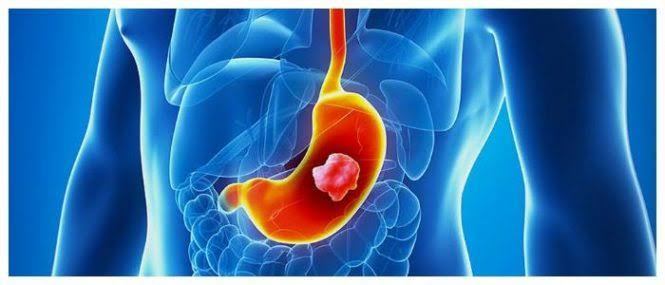
Esophageal cancer Dallasis classified according to the type of cells that are involved. The type of Esophageal cancer Dallasyou have helps determine your treatment options. Types of Esophageal cancer Dallasinclude:
Adenocarcinoma.
Adenocarcinoma begins in the cells of mucus-secreting glands in
the esophagus. Adenocarcinoma occurs most often in the
lower portion of the esophagus. Adenocarcinoma is the most common form of Esophageal
cancer Dallasin the United States, and it affects primarily white men.
Squamous cell
carcinoma.
The squamous cells are flat, thin cells that line the surface of
the esophagus. Squamous cell carcinoma occurs most often in the upper
and middle portions of the esophagus.
Squamous cell carcinoma is the most prevalent Esophageal cancer Dallasworldwide.
Other rare types.
Some rare forms of Esophageal cancer Dallasinclude small cell
carcinoma, sarcoma, lymphoma, melanoma and choriocarcinoma.
It’s thought that chronic irritation of your esophagus may contribute to the changes that cause esophageal cancer Dallas. Factors that cause irritation in the cells of your esophagus and increase your risk of esophageal cancer Dallas include:
Having
gastroesophageal reflux disease (GERD)
Smoking
Having precancerous
changes in the cells of the esophagus (Barrett’s esophagus)
Being obese
Drinking alcohol
Having bile reflux
Having difficulty
swallowing because of an esophageal sphincter that won’t relax (achalasia)
Having a steady habit
of drinking very hot liquids
Not eating enough
fruits and vegetables
Undergoing radiation
treatment to the chest or upper abdomen
Esophageal cancer Dallas is cancer that occurs in the esophagus — a long, hollow tube
that runs from your throat to your stomach. Your esophagus helps move the food
you swallow from the back of your throat to your stomach to be digested.
Esophageal cancer
Dallas usually begins in the cells that line the inside of the esophagus. Esophageal
cancer Dallas can occur anywhere along the esophagus. More men than women get Esophageal cancer Dallas.
Esophageal cancer
Dallas is the sixth most common cause of cancer deaths worldwide. Incidence
rates vary within different geographic locations. In some regions, higher rates
of Esophageal cancer Dallas cases may be attributed to tobacco and alcohol use
or particular nutritional habits and obesity
Treatment of stomach cancer depends to a
large degree on where the cancer started in the stomach and how far it has spread.
Stage
0
Because stage 0 cancers are limited to the
inner lining layer of the stomach and have not grown into deeper layers, they
can be treated by Surgery Dallas alone. No chemotherapy or
radiation therapy is needed.
Surgery Dallas with either subtotal
gastrectomy (removal of part of the stomach) or total gastrectomy (removal of
the entire stomach) is often the main treatment for these cancers. Nearby lymph
nodes are removed as well.
Stage
I
Stage IA: People with stage IA
stomach cancer typically have their cancer removed by total or subtotal gastrectomy.
The nearby lymph nodes are also removed. Endoscopic resection may rarely be an
option for some small T1a cancers. No further treatment is usually needed
after Surgery Dallas.
Stage IB: The main treatment
for this stage of stomach cancer is Surgery Dallas (total or subtotal
gastrectomy). Chemotherapy (chemo) or
chemoradiation (chemo plus radiation therapy)
may be given before Surgery Dallas to try to shrink the cancer and make it
easier to remove.
Stage
II
The main treatment for stage II stomach
cancer is Surgery Dallas to remove all or part
of the stomach, the omentum, and nearby lymph nodes.
Many patients are treated with chemo or
chemoradiation before Surgery Dallas to try to shrink the cancer and make it
easier to remove. Treatment after Surgery Dallas may include chemo alone or chemoradiation.
Stage
III
Surgery Dallas is
the main treatment for patients with this stage disease (unless they have other
medical conditions that make them too ill for it). Some patients may be cured
by Surgery Dallas (along with other treatments), while for others the Surgery
Dallas may be able to help control the cancer or help relieve symptoms.
Stage
IV
Because stage IV stomach cancer has spread to
distant organs, a cure is usually not possible. But treatment can often help
keep the cancer under control and help relieve symptoms.
This might include Surgery
Dallas, such as a gastric bypass or
even a subtotal gastrectomy in some cases, to keep the stomach and/or
intestines from becoming blocked (obstructed) or to control bleeding.
We don’t know the cause of
many types of gastrointestinal cancer Dallas, but risk factors for
gastrointestinal cancer vary among the different types. They include:
smoking
excessive alcohol consumption
increasing age
diet high in animal fat
diet containing high amounts of salted, cured, or
poorly preserved foods
chronic pancreatitis
obesity
Please note that there are
many other risk factors that are disease-specific that are not listed.
Gastrointestinal cancer Dallasrefers to malignant conditions of the gastrointestinal tract (GI tract) and accessory organs of digestion, including the esophagus, stomach, biliary system, pancreas, small intestine, large intestine, rectum and anus.
The symptoms
relate to the organ affected and can include obstruction (leading to difficulty
swallowing or defecating), abnormal bleeding or other associated problems. The
diagnosis often requires endoscopy, followed by biopsy of
suspicious tissue.
The treatment
depends on the location of the tumor, as well as the type of cancer cell and
whether it has invaded other tissues or spread elsewhere. These factors also
determine the prognosis.
Overall, the
GI tract and the accessory organs of digestion (pancreas, liver, gall bladder)
are responsible for more cancers and more deaths from cancer than any other
system in the body. There is significant geographic variation in the rates of
different gastrointestinal cancers.
GISTs tend to be fragile tumors that can bleed easily. In fact, they are often found because they cause bleeding into the GI tract. Signs and symptoms of this bleeding depend on how fast it occurs and where the tumor is located.
Brisk bleeding into the
esophagus or stomach can cause the person to throw up blood. When the blood is thrown up it may be partially
digested, so it might look like coffee grounds.
Brisk bleeding into the stomach
or small intestine can make bowel movements (stools) black and tarry.
Brisk bleeding into the large
intestine is likely to turn the stool red with visible blood.
If the bleeding is slow, it
often doesn’t cause the person to throw up blood or have a change in their
stool. Over time, though, slow bleeding can lead to a low red blood cell
count (anemia), and make a person feel tired and weak.
Bleeding from the GI
tract can be very serious. If you have any of these signs or symptoms, see a
doctor right away.
Other possible symptoms of GISTs
Other symptoms of
GISTs can include:
Abdominal (belly) pain
A mass or swelling in the
abdomen
Nausea, vomiting
Feeling full after eating only
a small amount of food
Loss of appetite
Weight loss
Problems swallowing (for tumors
in the esophagus)
Sometimes the tumor
grows large enough to block the passage of food through the stomach or
intestine. This is called an obstruction, and it can cause
severe abdominal pain and vomiting.
Laparoscopic Dallas gastric banding is surgery to help with weight loss. The surgeon places a band around the upper part of your stomach to create a small pouch to hold food. The band limits the amount of food you can eat by making you feel full after eating small amounts of food.
After surgery, your
doctor can adjust the band to make food pass more slowly or quickly through
your stomach.
Description
You will receive general anesthesia before this surgery. You will be asleep and
unable to feel pain.
The surgery is done
using a tiny camera that is placed in your belly. This type of surgery is
called laparoscopy. The camera is called a laparoscope dallas. It allows your
surgeon to see inside your belly. In this surgery:
Your surgeon will make 1 to 5 small surgical cuts in your
abdomen. Through these small cuts, the surgeon will place a camera and the
instruments needed to perform the surgery.
Your surgeon will place a band around the upper part of your
stomach to separate it from the lower part. This creates a small pouch that has
a narrow opening that goes into the larger, lower part of your stomach.
The surgery does not involve any cutting or stapling inside your
belly.
Your surgery may take only 30 to 60 minutes if your surgeon has
done a lot of these procedures.
When you eat after
having this surgery, the small pouch will fill up quickly. You will feel full
after eating just a small amount of food. The food in the small upper pouch
will slowly empty into the main part of your stomach.
Preparing for a Colonoscopy Dallas may be uncomfortable and time-consuming, but it needn’t be an ordeal. Here are some things you can do to help it go as smoothly and comfortably as possible:
Make sure you receive your Colonoscopy Dallas prep instructions well before your procedure date, and read them completely as soon as you get them.
This is the time to call your clinician with any questions and
to buy the bowel prep she or he has prescribed. Pick up some medicated wipes
Arrange for the time and privacy you need to complete the prep with as little stress as possible.
Clear your schedule, and be at home on time to start your prep.
If you have children or aging parents who need attention, have someone else be
available to them while you’re indisposed.
Water can get boring, so keep a variety of clear liquids on hand.
On the day before your Colonoscopy Dallas — when you’re restricted to clear liquids — you can have
popsicles, Jell-O, clear broth, coffee or tea (without milk or creamer), soft
drinks, Italian ice, or Gatorade. But take nothing with red, blue, or purple
dye.
To make a bad-tasting liquid prep like magnesium citrate easier to swallow, try one or more of the following if it doesn’t come flavored:
Add some Crystal Light or Kool-Aid powder (again, not red, blue,
or purple); add some ginger or lime; drink it chilled; drink it through a straw
placed far back on your tongue; hold your nose and drink it as quickly as
possible; quickly suck on a lemon slice after you finish each glass; hold a
lemon or lime under your nose while you drink; suck on a hard candy after each
glass.
Wear loose clothing, and stay near the bathroom.
Better yet, once the preparation starts to work, stay in the
bathroom — because when the urge hits, it’s hard to hold back. Consider setting
up shop near the toilet with music, your laptop, magazines, or books.